7 Signs Your Brick Needs Repair in Denver, CO
Brick is known for its durability, but even the strongest masonry can break down over time—especially in a climate like Denver. Between freezing temperatures, moisture, and natural settling, brick and mortar can develop issues that shouldn’t be ignored.
.jpg)
7 Signs You Need A Brick Repair Today With Image Examples
If you catch the warning signs early, you can prevent more serious (and expensive) damage down the road.
Here are the most common signs your brick may need professional repair.
1. Cracked or Damaged Bricks
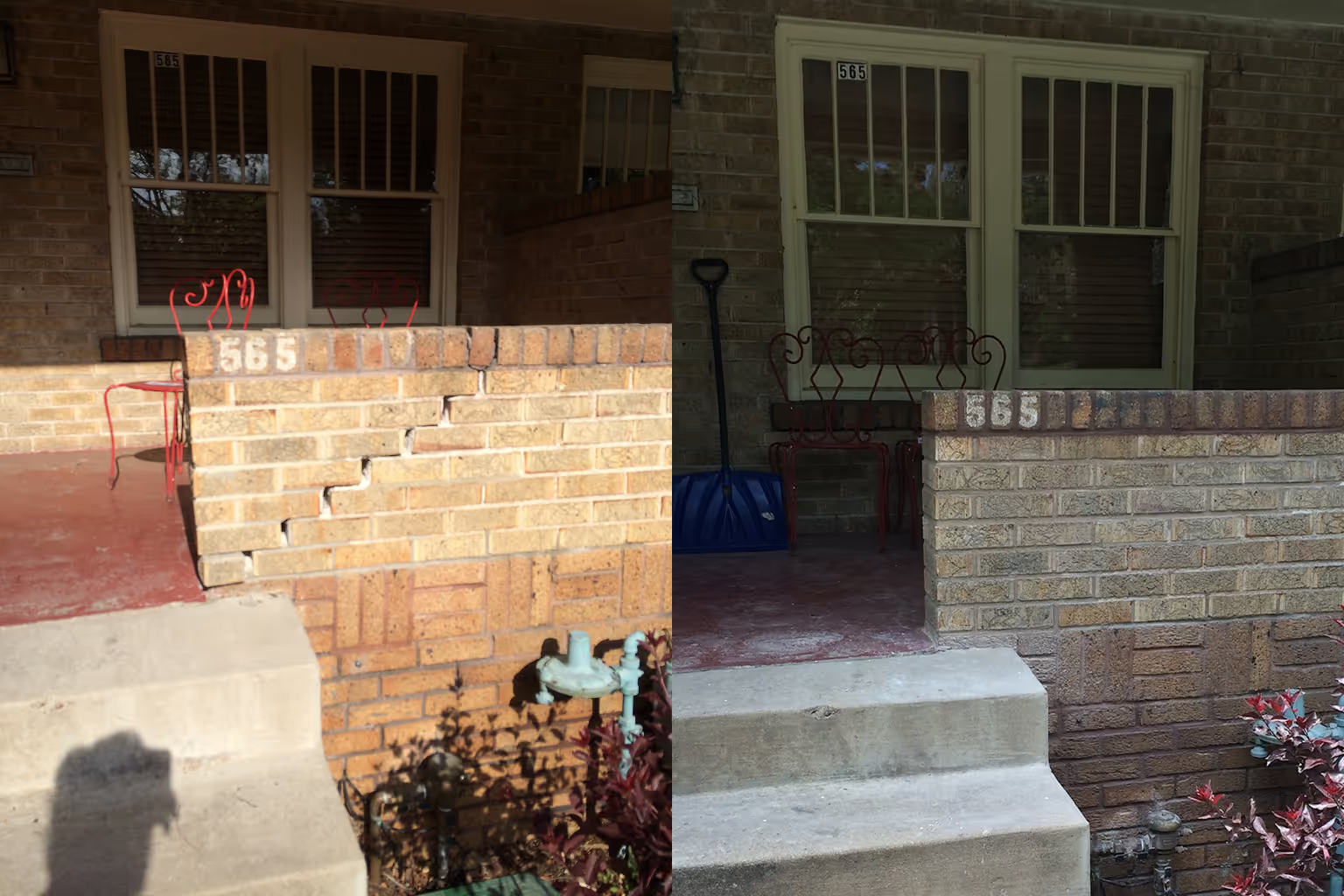
One of the most obvious signs of trouble is visible cracking in the brick itself.
Cracks can happen for several reasons:
- Foundation settling
- Temperature changes
- Impact damage
- Moisture expansion during freeze-thaw cycles
Small cracks might seem harmless, but they often get worse over time. Damaged bricks can allow water to enter, leading to deeper structural issues.
2. Deteriorating or Missing Mortar (Tuckpointing Needed)
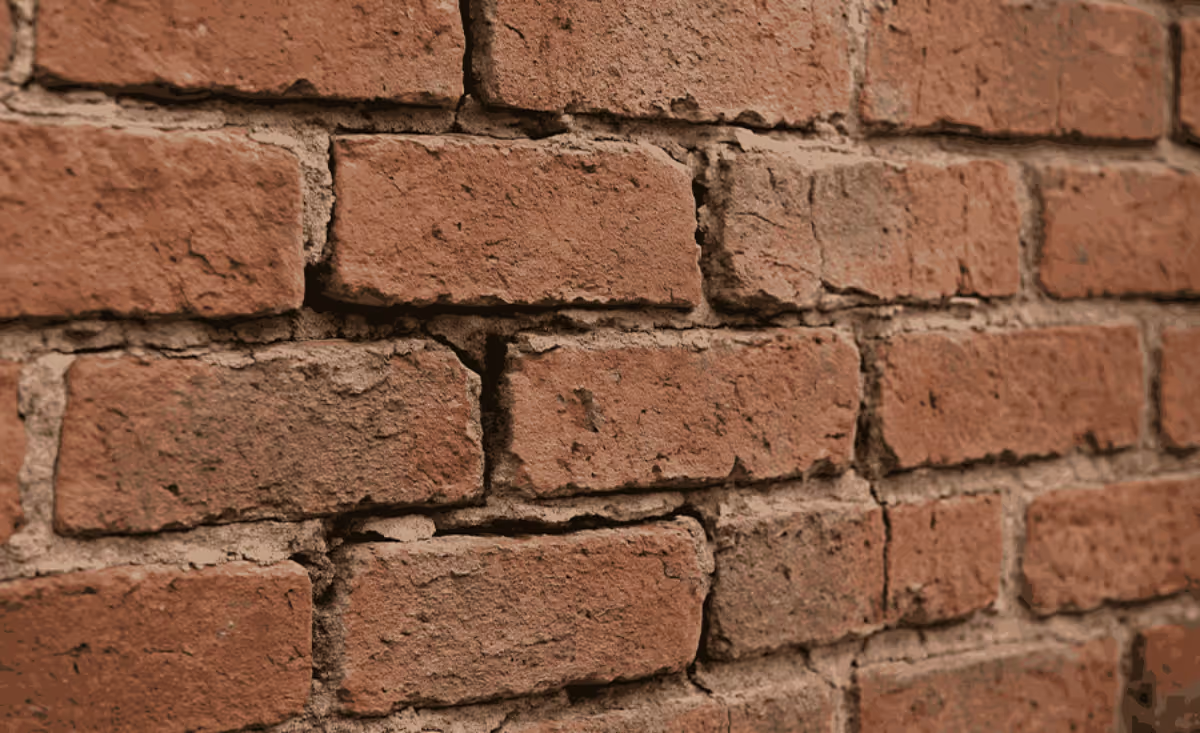
Mortar is the “glue” that holds your brick together, and it tends to wear out faster than the brick itself.
Signs of mortar failure include:
- Crumbling or sandy joints
- Gaps between bricks
- Loose bricks
This is where tuckpointing (repointing brick) becomes essential. Replacing damaged mortar restores both the strength and appearance of your brickwork.
3. Spalling Brick (Flaking or Peeling)
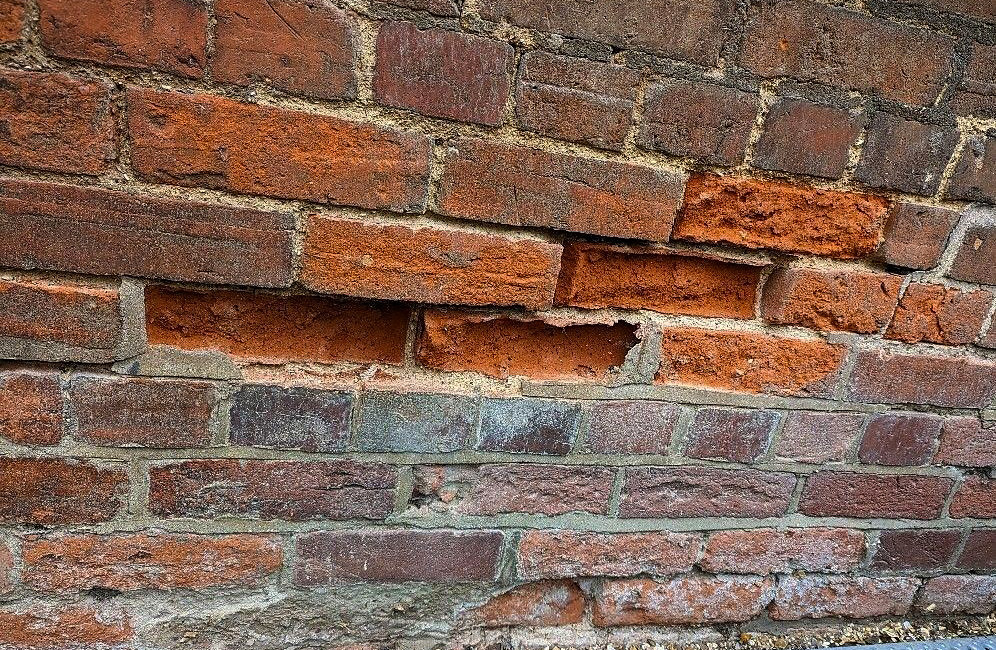
If you notice bricks that are flaking, chipping, or peeling, this is known as spalling.
This usually happens when moisture gets trapped inside the brick. In Denver’s freeze-thaw climate, that moisture expands and causes the outer surface of the brick to break apart.
Spalling is more than cosmetic—it’s a sign that the brick is deteriorating and needs attention.
4. Bulging or Bowing Brick Walls
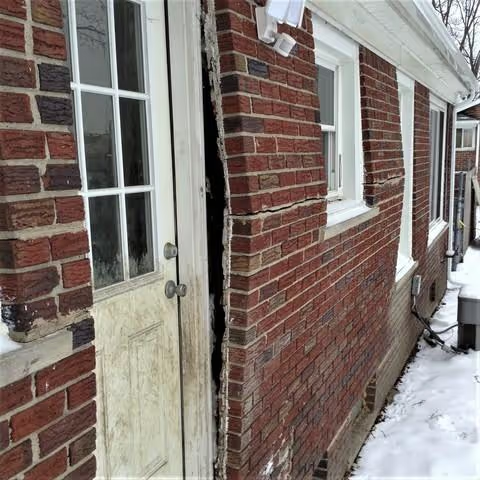
Brick walls should always appear straight and stable. If you notice any bulging, bowing, or shifting, this can indicate a serious structural issue.
Possible causes include:
- Water damage behind the wall
- Failing mortar joints
- Foundation movement
This type of damage should be addressed immediately, as it can lead to collapse if left untreated.
5. Water Stains or Moisture Issues
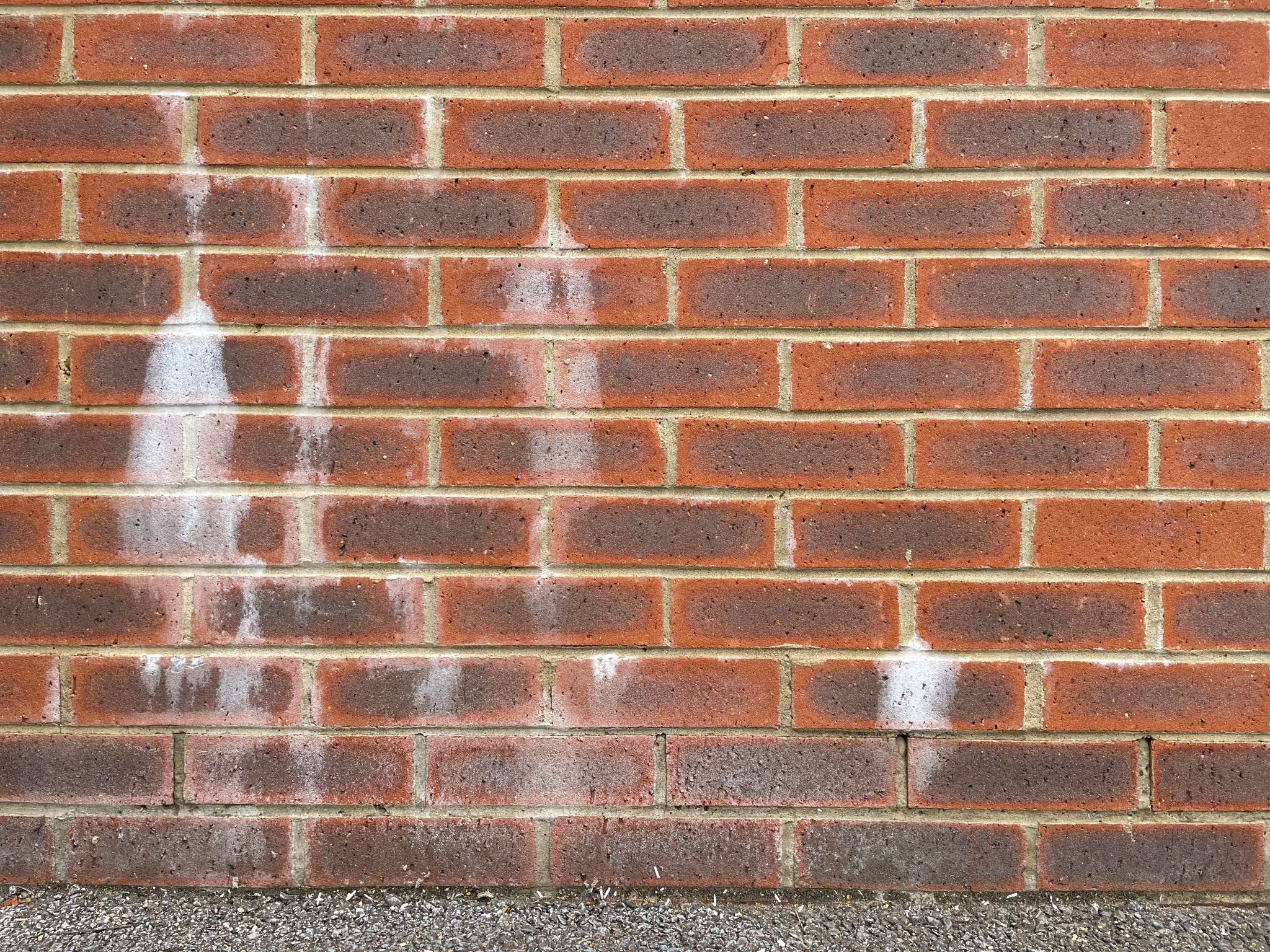
Water is one of the biggest threats to masonry.
Watch for:
- Dark stains on brick surfaces
- White powdery residue (efflorescence)
- Mold or mildew near brick areas
These signs indicate that water is getting into your brickwork. Over time, this can weaken both the brick and the mortar.
6. Chimney Cracks or Deterioration
Your chimney is one of the most exposed parts of your home, making it especially vulnerable to damage.
Common chimney issues include:
- Cracked bricks or mortar
- Leaning or unstable structure
- Missing mortar joints
If you’re searching for “chimney masonry repair near me,” chances are you’ve already noticed one of these warning signs.
7. Loose or Falling Bricks
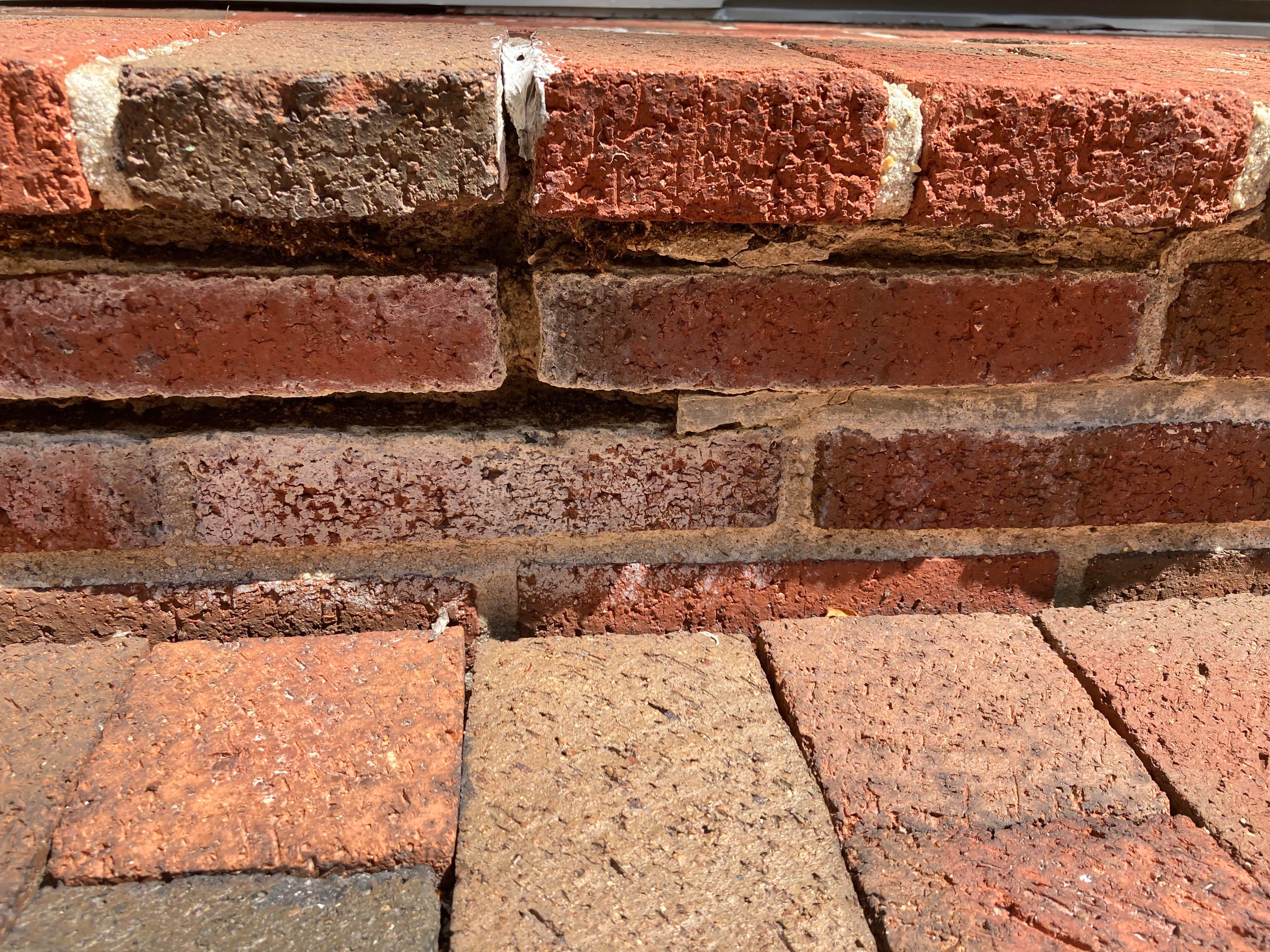
If bricks are shifting, coming loose, or falling out entirely, this is a clear sign that repairs are needed.
Loose bricks can be caused by:
- Failing mortar
- Moisture damage
- Structural movement
This is not just a cosmetic issue—it can become a safety hazard if ignored.
Why Brick Repair Is So Important in Denver
Denver’s weather plays a major role in brick damage. The constant cycle of freezing and thawing causes moisture inside masonry to expand and contract, leading to cracks, spalling, and mortar deterioration.
That’s why regular inspections and timely repairs are essential for maintaining your home.
When to Call Mehaffey
If you notice any of these signs, it’s best to have your brickwork inspected by a professional.
At Mehaffey & Sons Restoration, we provide:
- Brick repair
- Tuckpointing and repointing
- Chimney masonry repair
- Foundation and structural masonry services
We help homeowners throughout Denver identify issues early and restore their brickwork the right way.
Get a Free Brick Repair Estimate in Denver, CO
If your home is showing signs of brick damage, don’t wait until it becomes a bigger problem.
Contact Mehaffey & Sons Restoration today for a free estimate and expert brick repair services in Denver, CO.
Are you ready?
Start your exterior project journey with me,
Shawn Mehaffey.